
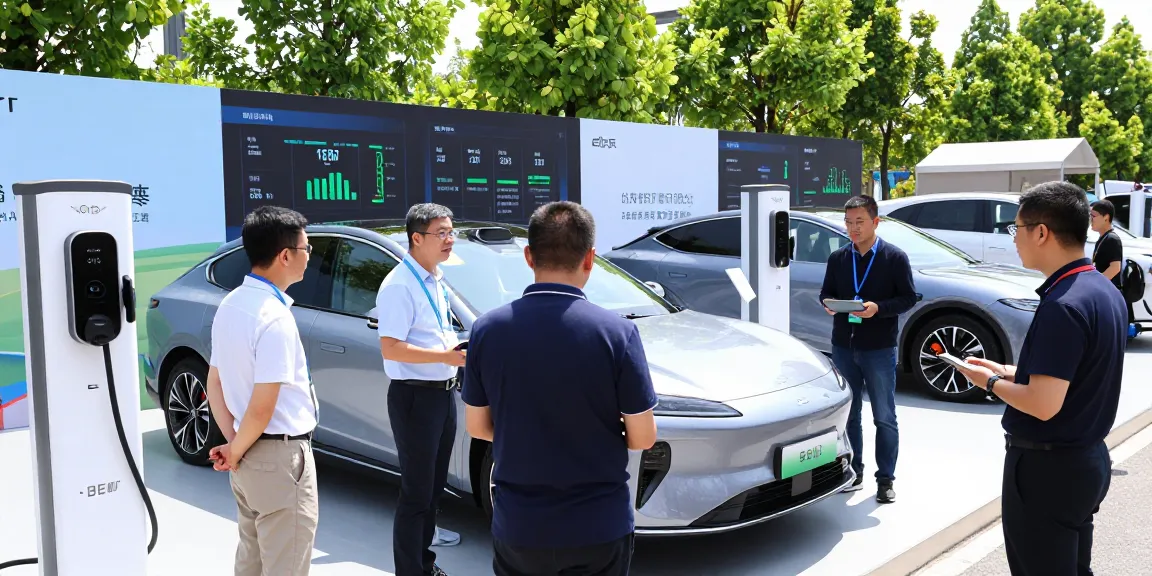
Understanding EV Technology: Foundations and Categories
Electric Vehicle (EV) technology represents a significant shift in transportation, driven by the need for sustainable mobility solutions. As a growing concern for climate change and environmental impact rises, the automotive industry has rapidly evolved, focusing on producing vehicles that are not only efficient but also environmentally friendly. Understanding EV technology encompasses an awareness of various vehicle classifications, core components, and the latest trends shaping this dynamic field.
What is EV Technology?
EV technology refers to the development and utilization of electric vehicles that run primarily on electricity rather than traditional fossil fuels. This technology encompasses a wide range of applications, from fully electric vehicles (Battery Electric Vehicles – BEVs) to hybrids (Plug-in Hybrid Electric Vehicles – PHEVs). Key innovations in EV technology include improvements in battery efficiency, charging infrastructure, and vehicle design aimed at enhancing performance and sustainability.
The Main Types of Electric Vehicles
There are several types of electric vehicles, each tailored to meet different consumer needs and preferences:
- Battery Electric Vehicles (BEVs): These vehicles are powered entirely by electric batteries, with no internal combustion engine. They offer zero emissions and are known for their efficiency and lower operating costs.
- Plug-in Hybrid Electric Vehicles (PHEVs): Combining an electric motor with a gasoline engine, PHEVs can run on electric power alone for short distances and switch to gasoline for longer trips, providing versatility.
- Hybrid Electric Vehicles (HEVs): Like PHEVs, HEVs use both electric and gasoline power but typically don’t require plugging in to charge the battery, relying on regenerative braking and the combustion engine to charge the battery.
- Fuel Cell Electric Vehicles (FCEVs): These vehicles generate electricity through a chemical reaction between hydrogen and oxygen, producing water as the only emission. FCEVs offer longer ranges and fast refueling compared to battery electric vehicles.
Key Components of EVs
The effectiveness of EV technology relies heavily on its fundamental components:
- Electric Motor: This component converts electrical energy into mechanical energy to power the vehicle.
- Batteries: The heart of any electric vehicle, batteries store energy and power the electric motor. Lithium-ion batteries are the most common type, though solid-state batteries are emerging as a promising alternative.
- Charging System: EVs can be charged using standard outlets, dedicated charging stations, or fast chargers that provide rapid recharging capabilities.
- Regenerative Braking: This technology captures and stores energy typically lost during braking, improving overall efficiency.
Current Trends in EV Technology
The EV landscape is evolving quickly, with numerous trends reshaping the industry and enhancing consumer adoption:
Advancements in Battery Technology
Innovations in battery technology are at the forefront of electric vehicle advancements. Current research focuses on increasing energy density, reducing charging time, and enhancing overall lifespan. Solid-state batteries, with their potential for higher energy capacity and safety, are seen as the next breakthrough in EV technology. These advancements could significantly expand the range and usability of electric vehicles, making them more appealing to a broader audience.
Vehicle-to-Grid (V2G) Innovations
Vehicle-to-Grid technology allows electric vehicles to interact with the power grid, enabling two-way energy transfer. This capability allows EVs to store energy during off-peak times and return it to the grid during peak demand, promoting grid stability and offering owners additional income opportunities through energy selling.
Integration of AI in Electric Mobility
Artificial Intelligence (AI) is becoming increasingly integral to the development of electric vehicles. AI applications range from optimizing battery management systems to enhancing autonomous driving capabilities. Moreover, AI can analyze driving patterns to improve energy efficiency and performance, paving the way for smarter and more responsive EV technologies.
Challenges and Barriers to EV Technology Adoption
Despite the promising future of EV technology, several challenges hinder widespread acceptance:
Infrastructure Limitations
The current charging infrastructure for electric vehicles is still lacking, particularly in rural or less developed areas. An expanded network of fast-charging stations is essential for alleviating range anxiety and enabling long-distance travel.
High Initial Costs for Consumers
The upfront cost of electric vehicles remains a significant barrier for many potential buyers. Although the total cost of ownership can be lower over time due to savings on fuel and maintenance, the initial price point often deters consumers, particularly in comparison to traditional internal combustion engine vehicles.
Environmental Concerns and Battery Lifecycle
While electric vehicles reduce tailpipe emissions, the environmental impact of battery production and disposal remains a concern. The extraction of raw materials like lithium and cobalt has raised ethical questions, and there is an urgent need for sustainable practices in battery recycling and production.
Best Practices for Implementing EV Technology
To overcome these barriers and promote the adoption of electric vehicles, several best practices can be implemented:
Policy Support and Incentives
Governments can play a crucial role in promoting EV technology through incentives such as tax breaks, rebates, and subsidies for both consumers and manufacturers. Strong policies that encourage the development of charging infrastructure and renewable energy sources can create a more favorable environment for electric vehicles.
Innovative Charging Solutions
The development of innovative charging solutions, such as wireless charging technology and ultra-fast charging stations, can enhance the convenience of owning an EV. Investment in workplace charging facilities and home charging solutions can also ease the transition for consumers considering electric vehicles.
Consumer Education and Awareness
Educating consumers about the benefits and functionality of electric vehicles is vital. Increased awareness can help dispel myths and misconceptions, ultimately encouraging more people to consider EV technology as a viable alternative to traditional vehicles.
Future Forecasts for EV Technology by 2026
The landscape of EV technology is anticipated to undergo significant changes by 2026, influenced by continuing advancements and market dynamics:
Emerging Trends to Watch
Future trends may include the rise of autonomous electric vehicles, expanded integration of renewable energy sources, and advancements in battery swapping technology. Each of these developments promises to enhance the convenience and usability of electric vehicles.
Predicted Market Growth and Adoption Rates
Market analysts predict exponential growth in the adoption of electric vehicles over the next few years, driven by stricter emission regulations, advancements in battery technology, and increasing consumer demand for sustainable solutions. Sales of electric vehicles are expected to make up a significant portion of new car sales by 2026.
Ongoing Research and Development Initiatives
Research and development efforts are continuously exploring innovative materials and methods to improve the economic and environmental performance of electric vehicles. From developing alternative battery chemistries to enhancing recycling processes, these initiatives play a crucial role in paving the way for the future of EVs.
What types of electric vehicles are available?
As previously mentioned, electric vehicles can be broadly categorized into BEVs, PHEVs, HEVs, and FCEVs, each offering unique advantages and suitability for different consumer needs.
How does EV technology work?
EV technology operates by using an electric motor powered by batteries, as opposed to traditional vehicles that rely on internal combustion engines. This transition to electric propulsion significantly reduces emissions and reliance on fossil fuels.
What are the benefits of electric vehicles?
Electric vehicles offer numerous benefits, including lower operating costs, reduced environmental impact, and a quieter driving experience. Additionally, many regions offer incentives for EV ownership, further enhancing their appeal.
What are the latest trends in EV technology?
Emerging trends in EV technology include advancements in battery technology, the integration of AI for enhanced efficiency, and the development of innovative charging solutions that make owning an electric vehicle more convenient.
How is battery technology evolving in EVs?
Battery technology is evolving toward more efficient and sustainable options. The development of solid-state batteries and recycling technologies is expected to significantly impact the performance and environmental footprint of electric vehicles in the coming years.